

Your first fine line tattoo: what to keep in mind before getting inked

Getting your first tattoo is always exciting… and it also brings up a lot of questions. That’s completely normal. What design should you choose? Where should you place it? Will it hurt a lot? Will it age well over time? Will you eventually get tired of it?
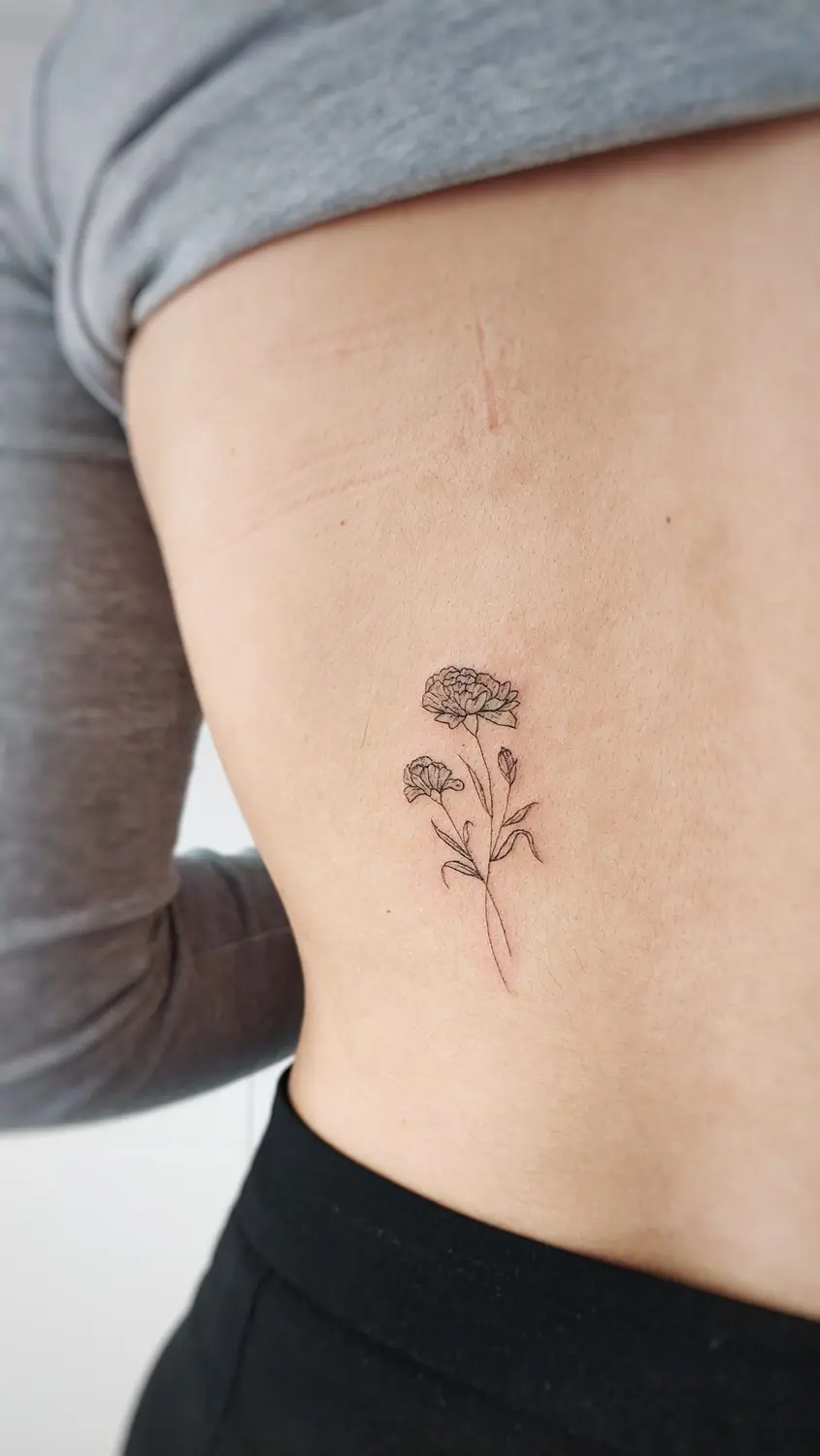
That’s why more and more people choose a fine line tattoo for their first piece: it’s a subtle, delicate style that’s easy to integrate into everyday life. But even though it may look simple, there are several important things you should know before making your decision.
If you’re thinking about taking the step, here’s everything you should consider, based on my experience working with this type of tattoo every day in my tattoo shop in Valencia.
Why fine line is one of the best options for a first tattoo
The fine line technique has become one of the top choices for first-timers, and it’s no coincidence.
This style stands out for:
- Small, subtle designs
- Delicate and elegant lines
- A minimalist, timeless aesthetic
- Easy adaptation to many areas of the body
It also tends to have less visual impact than larger or more intricate styles, which many people appreciate when they’re not yet sure how they’ll feel about having a tattoo on their skin.

Choosing the design: less is more (especially at the beginning)
Many people come into the studio thinking that the hardest part will be deciding where to get tattooed or how much it will hurt. However, the real dilemma is usually something else: choosing the design.
When it comes to a first tattoo, my recommendation is not to obsess over finding “the perfect idea.” There’s no such thing as a perfect tattoo that will represent you for the rest of your life in every possible moment.
Instead, it usually works much better to choose something that makes sense to you right now. It could be a hobby, an important person, a memory, a city, a flower, or simply an image you like visually.
It’s also important to distinguish between a design you like because it’s trendy and one that truly resonates with you. Trends are constantly changing, but the tattoos that tend to bring the most long-term satisfaction are those with which you have some kind of personal connection.
If you’re still unsure, a good option is to start with something simple. There will always be time to add more tattoos in the future.
As a general rule, one of the most common mistakes with a first tattoo is trying to include too many details in a very small design.
With fine line tattoos:
- Simple designs work best
- Clear symbols age better
- Balance is key
Some common ideas for a first tattoo in this style include:
- Hearts, stars, or moons
- Small flowers
- Short words or initials
- Symbols with personal meaning
The most important thing is that the design means something to you, not that it follows a specific trend.

Size matters (more than you might think)
Choosing the right size is one of the most important decisions and, interestingly, one of the most overlooked. Many people want their tattoo to be as small as possible because they’re looking for something discreet. The problem is that scaling a design down too much can compromise its legibility and cause it to age poorly.
The ideal size isn’t the smallest one possible, but rather the smallest size that allows the design to remain effective over the years.
Additionally, the size also depends on the chosen area. A design that works perfectly on the forearm might be too small for the back or too large for a wrist.
That’s why I always recommend considering the design, placement, and size together before making a final decision.
With fine line tattoos:
- An excessively small size can cause the lines to blur together over time
- Sometimes increasing the size by just a few millimeters can greatly improve the long-term result
A good studio will guide you to find the smallest possible size that still allows the tattoo to:
- Look clean
- Keep its shape
- Age properly

Where to get your first fine line tattoo
The area of the body you choose affects both the level of pain and how the tattoo will age over time.
For a first tattoo, areas that are often recommended include:
- Almost any part of the arm, such as the bicep, forearm, or above the elbow
- The ankle
- The shoulder
These areas allow for:
- Better execution of fine line work
- More control over the stroke
- A lower risk of the tattoo distorting over time
I don’t recommend bony areas like the ribs, collarbones, sternum, hip, or knee for a first tattoo.
Does a fine line tattoo hurt a lot?
Pain is probably the most common concern when someone is getting their first tattoo.
Although everyone has a different pain tolerance, there are areas that are generally more bearable because they have more muscle or fat and fewer nerve endings near the surface.
Among the areas that are often considered the most comfortable for beginners are:
- Forearm
- Outer bicep
- Shoulder
- Outer thigh
On the other hand, areas such as the ribs, sternum, collarbone, hands, or ankles are often perceived as more painful.
Even so, most people are surprised to find that the experience is usually much more bearable than they imagined.
In any case, the short answer is: it usually hurts less than other styles, but it depends on several factors:
- The area of the body
- Your personal pain threshold
- The size of the tattoo
Since fine line tattoos are typically small sessions are usually shorter and more manageable, something that’s definitely appreciated when it’s your first tattoo.

The importance of choosing a specialized studio
Even though fine line tattoos may look simple, they actually require a great deal of precision. A common mistake is assuming that any tattoo artist can handle this style without any issues.
For a first tattoo, this is especially important because:
- A poorly executed line is much more noticeable
- Badly done fine lines tend to age worse
- Incorrect needle depth can ruin the final result
Choosing a studio with experience in fine line and minimalist tattoos makes a huge difference.
Preparing for your first tattoo: more important than it seems
There’s something many people overlook when getting their first tattoo: how they prepare for the session. And this has a much greater impact on the final result than you might think.
In my experience, well-prepared skin:
- Absorbs the ink better
- Is less prone to irritation
- Makes fine-line work much easier
On the other hand, showing up with dry skin, without having had a good night’s sleep, or after drinking alcohol can cause the tattoo to bleed more, prevent the ink from setting properly, or make the session more uncomfortable than necessary.
That’s why, before getting a tattoo, it’s important to keep a few basic things in mind, such as:
- Moisturize your skin in the days leading up to the appointment
- Get a good night’s sleep the night before
- Avoid alcohol before the session
- Arrive with plenty of time to spare
If you’d like to learn more about all this, I’ve put together a comprehensive guide where I explain step by step how to prepare for your appointment.
Aftercare for your first tattoo: key to a great result
Aftercare is essential, especially with fine line work.
Some basic tips:
- Always follow the instructions given by your studio
- Keep the tattoo clean and well moisturized
- Avoid direct sun exposure while it’s healing
- Don’t scratch or pick at scabs
Good aftercare helps the lines stay clean and well defined. If you’d like to learn more about how to properly care for your tattoo, I have another post where I explain in detail the exact healing and aftercare process I recommend.

Take your time and enjoy it
Your first tattoo doesn’t have to be big or bold to be special. Many people start with something small and delicate, and over time decide to get more.
Fine line is a perfect way to begin: elegant, subtle, and full of meaning.
If you’re thinking about taking the step and getting a fine line tattoo in Valencia, the best thing you can do is get informed, clear up your doubts, and let yourself be guided so the experience feels positive from the very start. I’d be more than happy to guide you through the entire process, you just have to get in touch with me!


